Gabatop Capsules – Uses, Dosage & Important Information
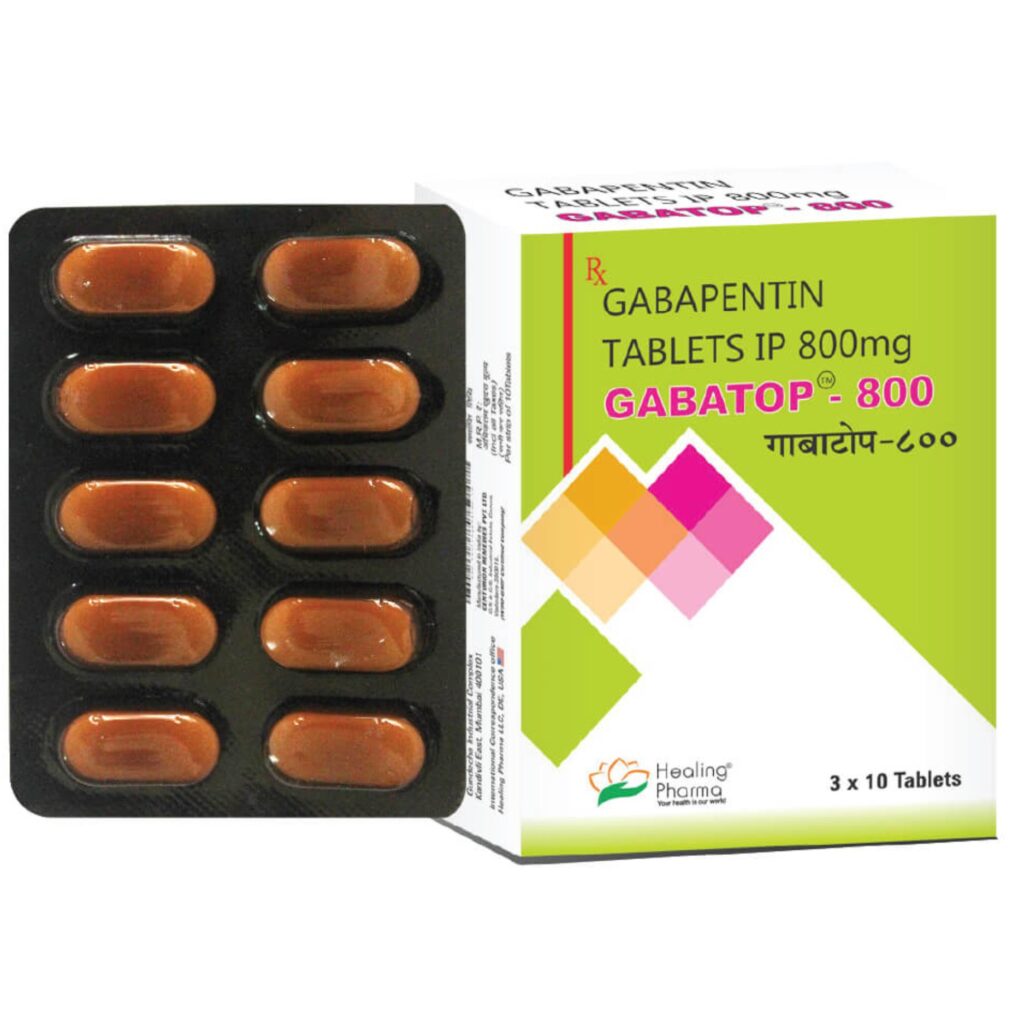
What is Gabatop?
Gabatop is the brand name for Gabapentin, a prescription medication widely used to treat neuropathic pain, seizures, and certain anxiety-related conditions.
It belongs to a class of medicines called anticonvulsants or nerve pain modulators, which help calm overactive nerve activity in the brain and body.
Doctors commonly prescribe Gabatop to manage nerve pain resulting from diabetes, shingles, or spinal cord injury. It is also used as an adjunct therapy for epilepsy to help control partial seizures.
Uses of Gabatop
Gabatop (Gabapentin) is used for several medical conditions, including:
-
Neuropathic Pain: Pain caused by damaged or overactive nerves due to diabetes, shingles, or injuries.
-
Epilepsy: Used as an additional therapy to control partial seizures.
-
Postherpetic Neuralgia: Relieves nerve pain after a shingles infection.
-
Fibromyalgia (Off-label): Helps reduce chronic muscle pain and improve sleep quality.
-
Anxiety Disorders (Off-label): May be prescribed to reduce symptoms of anxiety and nervousness.
Note: Gabatop should be used strictly under medical supervision. It is not meant for short-term or recreational use.
Gabatop Dosage Information
Available Strengths: 100 mg, 300 mg, 400 mg, 600 mg, and 800 mg capsules or tablets.
Typical Adult Dose:
-
For Neuropathic Pain: Start with 300 mg once daily, gradually increased as prescribed (up to 1800–3600 mg/day in divided doses).
-
For Epilepsy: 300 mg three times daily, with dosage adjusted according to your medical response.
Administration Tips:
-
Take Gabatop with or without food.
-
Swallow the tablet or capsule whole with a glass of water.
-
Take it at the same time every day for consistent blood levels.
-
Do not stop suddenly—taper off under medical advice to avoid withdrawal symptoms.
Important: Do not exceed your doctor’s prescribed dose. Overuse or sudden discontinuation can cause side effects or seizures.
How Does Gabatop Work?
Gabatop (Gabapentin) works by affecting the way nerve signals are transmitted in the brain and spinal cord.
It binds to calcium channels on nerve cells, reducing the release of neurotransmitters responsible for pain and seizures.
This helps stabilize overactive nerves, providing relief from nerve pain, reducing seizure frequency, and calming the nervous system.
Side Effects of Gabatop
Common Side Effects:
-
Dizziness or drowsiness
-
Fatigue
-
Blurred vision
-
Weight gain
-
Swelling in hands or feet
-
Dry mouth
Less Common Side Effects:
-
Tremors or shaking
-
Nausea or vomiting
-
Memory or concentration issues
-
Mood swings
Serious Side Effects (Seek Immediate Medical Help):
-
Allergic reactions (rash, swelling, shortness of breath)
-
Depression or suicidal thoughts
-
Difficulty breathing
-
Chest pain or irregular heartbeat
Warnings & Precautions
-
Drowsiness & Dizziness: Avoid driving or operating machinery until you know how Gabatop affects you.
-
Avoid Alcohol: Alcohol increases the risk of dizziness and drowsiness.
-
Medical Conditions: Inform your doctor if you have kidney problems, breathing issues, or mental health concerns.
-
Do Not Stop Suddenly: Gradual tapering is necessary to prevent withdrawal or rebound symptoms.
-
Pregnancy & Breastfeeding: Use only if prescribed. Consult your doctor about potential risks.
Drug Interactions
Gabatop may interact with:
-
Opioid painkillers (e.g., morphine, oxycodone)
-
Antacids (take 2 hours apart)
-
Sedatives or sleeping pills
-
Alcohol and other CNS depressants
-
Other seizure medications
Always tell your doctor about all the medicines and supplements you are taking to avoid interactions.
Manufacturer Information
Gabatop is manufactured by Intas Pharmaceuticals Ltd., one of India’s leading pharmaceutical companies known for producing high-quality neurological and pain management medications trusted worldwide.
Frequently Asked Questions (FAQs)
Q1. How long does Gabatop take to work?
It may take a few days to a few weeks to experience full relief, depending on your condition and dosage.
Q2. Can I take Gabatop for anxiety?
Yes, some doctors prescribe Gabatop off-label to reduce symptoms of anxiety and restlessness.
Q3. Can I drink alcohol while on Gabatop?
No, alcohol can increase drowsiness, dizziness, and poor coordination.
Q4. Is Gabatop habit-forming?
Generally no, but long-term misuse or abrupt discontinuation may lead to dependence or withdrawal symptoms.
Q5. Can Gabatop be taken daily?
Yes, it is typically taken every day as prescribed by your doctor. Do not skip or double doses.
Key Takeaway
Gabatop (Gabapentin) is an effective and well-tolerated medication that helps manage nerve pain, control seizures, and stabilize nerve activity.
When taken responsibly under medical supervision, it significantly improves comfort, mobility, and quality of life for people with chronic pain or neurological conditions.